


Table of Contents
If you’ve spotted a gray, rat-like creature waddling through your backyard in Northeast Ohio, you’ve likely encountered the region’s only marsupial: the Virginia opossum. Opossums in Northeast Ohio are increasingly common throughout Lorain County and surrounding areas, appearing in communities like Avon Lake, Westlake, Bay Village, Sheffield Lake, and Lorain. While these nocturnal visitors are often misunderstood, understanding their behavior, habitat preferences, and potential risks can help Northeast Ohio homeowners make informed decisions about wildlife management.
This comprehensive guide covers everything residents need to know about opossums in Northeast Ohio, from identifying their presence to understanding when professional wildlife control becomes necessary.

Understanding Opossums in Northeast Ohio: Species and Identification
The Virginia opossum (Didelphis virginiana) is the only species of opossum found throughout Ohio. These unique marsupials are North America’s only native pouched mammal, making them a fascinating addition to our local ecosystem.
Physical Characteristics:
- Size: Adult opossums typically measure 24-33 inches long (including their tail) and weigh between 4-14 pounds
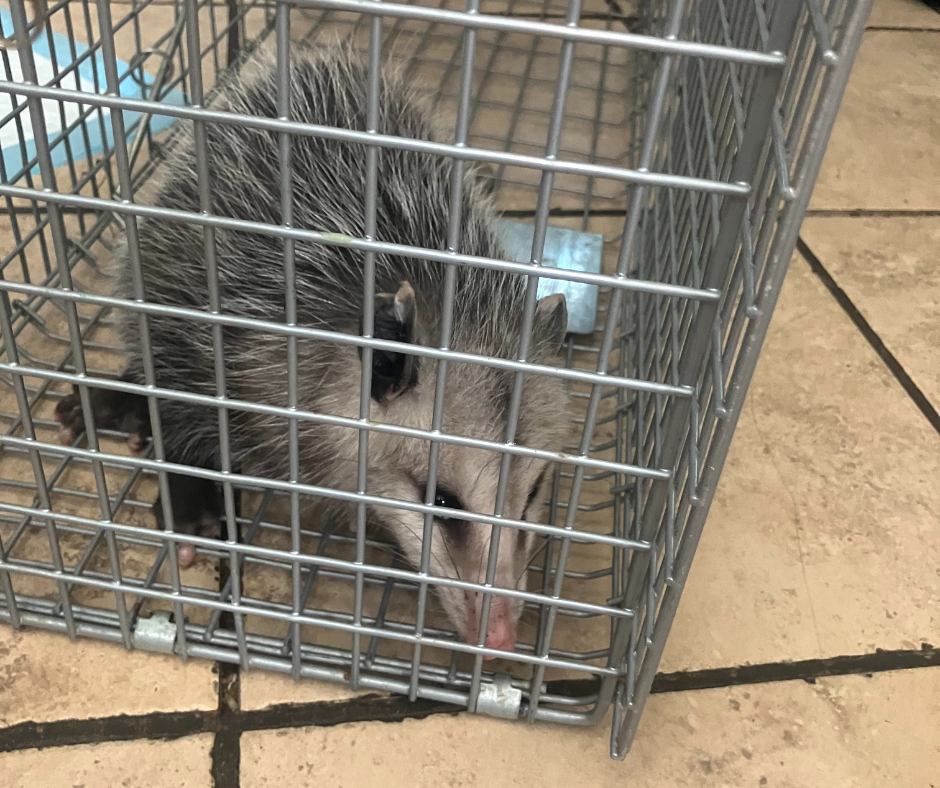
- Appearance: Gray to white coarse fur with a distinctive white face, dark ears, and naked, rat-like tail
- Features: Pink nose, black eyes, opposable thumbs on hind feet, and 50 teeth—more than any other North American mammal
Opossums in Northeast Ohio are easily recognizable by their slow, shuffling gait and tendency to freeze when startled. Their prehensile tail helps them balance but contrary to popular belief, they don’t hang from trees by their tails as adults.
Where Opossums in Northeast Ohio Live: Habitat and Range
Opossums are highly adaptable creatures that thrive in various environments including suburban and urban areas, though they prefer habitats with a mix of woods, wetlands, and farmland, typically establishing dens in wooded areas near water sources.
In Northeast Ohio, opossums are commonly found in:
Urban and Suburban Areas:
- Avon Lake residential neighborhoods
- Bay Village parks and green spaces
- Westlake commercial areas with dumpsters
- Lorain waterfront properties
- Sheffield Lake yards backing to wooded areas
Preferred Habitats:
- Wooded areas near Rocky River and Black River
- Properties adjacent to Lake Erie shoreline
- Areas with access to creeks and storm water drainage
- Abandoned buildings and sheds
- Under decks, porches, and crawl spaces
Individual opossums may be sedentary or wandering, often following water courses and establishing temporary dens in new locations, with home ranges varying from 2.5 to 100 acres depending on food availability, water access, and den sites.
Opossum Behavior in Northeast Ohio: What to Expect
Nocturnal Activity Patterns
Adult opossums are solitary and nocturnal creatures that seek shelter underground, in trees, or any location in between, and when frightened or harmed, they instinctively freeze and lie still in an involuntary catatonic state that can last several hours.
This “playing possum” response is not a conscious decision—it’s an automatic physiological reaction to extreme stress. During this state, the opossum may:
- Become completely rigid
- Drool excessively
- Emit a foul-smelling fluid from anal glands
- Appear dead with eyes open and tongue hanging out
Northeast Ohio residents who encounter an opossum in this state should leave it alone. The animal will recover once the threat passes, typically within 40 minutes to 4 hours.
Seasonal Behavior
Spring and Summer (March-August):
- Breeding season begins in late winter
- Females give birth to 6-20 young in late spring
- Juveniles may be seen riding on mother’s back
- Increased activity around gardens and compost piles
Fall and Winter (September-February):
- Opossums seek warm shelter in garages, attics, and sheds
- Less active during harsh Northeast Ohio winters
- May den temporarily in multiple locations
- Vulnerable to frostbite on ears and tail tips

What Do Opossums in Northeast Ohio Eat?
Opossums are true omnivores that consume insects, fruits, carrion, trash, and cat food—essentially whatever is available—and human environments provide abundant food and shelter, potentially supporting denser opossum populations than natural habitats.
Common Food Sources in Northeast Ohio:
- Fallen fruit from apple, pear, and crabapple trees
- Pet food left outdoors
- Garbage and compost
- Bird seed and suet
- Garden vegetables (especially tomatoes and berries)
- Grubs, beetles, and other insects
- Mice, rats, and other small rodents
- Roadkill and carrion
- Eggs from ground-nesting birds
The Tick Myth: Separating Fact from Fiction
You may have heard that opossums eat thousands of ticks, making them beneficial for Lyme disease prevention. However, recent scientific research has debunked this popular claim.
A comprehensive analysis of 23 studies examining opossum diet through stomach contents and scat found no evidence of ticks being consumed, leading researchers to conclude that ticks are not a preferred food item for Virginia opossums.
While opossums do provide some ecological benefits by consuming rodents and insects, Northeast Ohio residents should not rely on them for tick control.
Problems Caused by Opossums in Northeast Ohio
Opossums can create nuisances year-round by raiding gardens, chicken coops, bird feeders, and pet food, as well as denning in garages or attics where they create messes.
Common Opossum Problems in Avon Lake and Surrounding Areas:
Property Damage:
- Torn garbage bags and scattered trash
- Damaged garden crops and landscaping
- Disturbed compost piles
- Soiled attic insulation with urine and feces
- Unpleasant odors from scent marking
- Damaged ductwork and wiring in crawl spaces
Health and Safety Concerns:
- Potential disease transmission (see below)
- Parasites including fleas, ticks, and mites
- Aggressive defensive behavior when cornered
- Risk to pets during confrontations
- Attraction of other predators
Secondary Issues:
- Dead opossums in walls or crawl spaces
- Persistent odor problems
- Structural damage from repeat denning
- Loss of chicken eggs or young poultry

Diseases and Health Risks from Opossums in Northeast Ohio
While opossums are often considered less dangerous than other wildlife, they can carry diseases relevant to Northeast Ohio residents:
Potential Diseases:
- Leptospirosis: Bacterial infection transmitted through urine
- Salmonellosis: Food poisoning bacteria found in feces
- Tuberculosis: Rare but possible transmission
- Spotted fever: Transmitted by ticks and fleas on opossums
- Toxoplasmosis: Parasitic infection of concern for pregnant women
- Chagas disease: Caused by parasites opossums may carry
Parasites:
- Fleas that can infest homes and pets
- Ticks (though opossums don’t actually eat them)
- Mites causing skin irritation
- Internal parasites in feces
Important Note: Opossums have a remarkably low body temperature (94-97°F), making them one of the least likely wild mammals to carry rabies. However, they can still bite defensively and should never be handled without professional equipment.
Identifying Opossum Activity on Your Northeast Ohio Property
Physical Signs:
- Tracks: Five-toed prints with visible opposable thumb on hind feet
- Droppings: Similar to dog feces, 1-3 inches long, tapered ends, often contain seeds or insect parts
- Damage: Torn garbage bags, knocked-over trash cans, disturbed gardens
- Sounds: Hissing, clicking, or screeching sounds at night
- Smell: Musky odor near dens or heavily trafficked areas
Behavioral Indicators:
- Pet food disappearing overnight
- Unsecured garbage consistently scattered
- Unexplained noises in attic or garage after dark
- Glimpses of gray animals at dusk or dawn
- Missing eggs from chicken coops

Preventing Opossum Problems in Lorain County
Exclusion and Prevention Strategies
Eliminate Food Sources:
- Store garbage in secure, latching containers
- Remove fallen fruit from trees promptly
- Feed pets indoors or remove dishes immediately after feeding
- Secure chicken coops with hardware cloth
- Keep compost bins properly covered and maintained
- Remove bird feeders or use opossum-proof designs
Eliminate Shelter Opportunities:
- Seal entry points to attics, basements, and crawl spaces (any opening larger than 3 inches)
- Install chimney caps and vent covers
- Screen under decks and porches with buried hardware cloth
- Keep garage doors closed at night
- Trim tree branches away from rooflines
- Remove brush piles and yard debris
Landscape Management:
- Keep grass mowed and vegetation trimmed
- Remove dense ground cover near foundations
- Clear woodpiles away from structures
- Maintain a clear perimeter around buildings
- Install motion-activated lighting in problem areas
When to Call Professional Wildlife Control in Northeast Ohio
While opossums are generally non-aggressive, certain situations require professional intervention:
Call for Professional Help When:
- An opossum is living in your attic, walls, or crawl space
- You discover a mother with babies on your property
- An opossum appears sick, injured, or aggressive
- You’ve tried DIY methods without success
- An opossum has died in an inaccessible area
- You’re concerned about disease transmission
- Property damage is extensive or ongoing
- You’re uncomfortable dealing with wildlife
DIY Methods to Avoid:
- Never attempt to trap opossums without proper licensing
- Don’t use poison—it’s inhumane and illegal in many areas
- Avoid relocating wildlife without permits (illegal in Ohio)
- Don’t seal entry points while animals are inside
- Never corner or handle opossums directly

Opossums in Northeast Ohio: Are They Protected?
In Ohio, opossums are classified as furbearing animals and can be hunted or trapped during specific seasons with proper licensing. However, homeowners facing nuisance wildlife situations have different regulations:
- Property owners may remove opossums causing damage without a license
- Relocation of wildlife requires permits from the Ohio Department of Natural Resources
- Humane treatment is required under Ohio law
- Professional wildlife control operators must be licensed
For Avon Lake, Bay Village, Westlake, Lorain, and Sheffield Lake residents, consulting with licensed wildlife professionals ensures compliance with local and state regulations.
The Ecological Role of Opossums in Northeast Ohio
Despite the nuisances they may cause, opossums do provide ecological benefits:
Positive Contributions:
- Consume mice and rats that may otherwise infest structures
- Eat dead animals (carrion), reducing disease spread
- Control insect populations including beetles and cockroaches
- Help disperse seeds through fruit consumption
- Feed on slugs and snails in gardens
- Generally non-aggressive toward pets and humans
Understanding these benefits helps Northeast Ohio residents make informed decisions about coexistence versus removal.
Professional Opossum Removal in Northeast Ohio
Why Choose Pest Asset for Opossum Control?
When opossums become a persistent problem on your Avon Lake, Lorain, Bay Village, Westlake, or Sheffield Lake property, Pest Asset provides humane, effective wildlife management solutions tailored to Northeast Ohio conditions.
Our Opossum Control Services Include:
- Thorough property inspection to identify entry points and attractants
- Humane live trapping and removal
- Complete exclusion work to prevent re-entry
- Damage repair and sanitation services
- Attic restoration and insulation replacement
- Dead animal removal and odor control
- Preventative recommendations and maintenance plans
Why Northeast Ohio Homeowners Trust Pest Asset:
- Licensed and insured wildlife control professionals
- Humane treatment of all animals
- Guaranteed workmanship on exclusion services
- Local expertise in Lorain County wildlife behavior
- Same-day emergency service available
- Free initial consultations and estimates
Don’t let opossums damage your property or threaten your family’s health. Contact Pest Asset today for expert wildlife control services.
Call: (440) 899-2847
Visit: www.pestasset.com
Serving Avon Lake, Bay Village, Westlake, Lorain, Sheffield Lake, and all of Lorain County
Frequently Asked Questions About Opossums in Northeast Ohio
How long do opossums live?
In the wild, opossums typically live only 2-4 years due to predation, vehicle strikes, and harsh weather. Northeast Ohio’s cold winters can be particularly challenging for these southern-adapted animals.
Are opossums dangerous to pets?
Opossums are generally not aggressive toward pets. They’ll typically hiss, show their teeth, or play dead when confronted by dogs or cats. However, if cornered, they can defend themselves with bites. Keep pets indoors at night to avoid confrontations.
What should I do if I find baby opossums?
If you find baby opossums alone during daylight hours and they appear to be in distress, the mother may be injured or dead. Contact a licensed wildlife rehabilitator through the Ohio Department of Natural Resources. Never attempt to raise wild opossums yourself.
Do opossums carry rabies?
Opossums rarely carry rabies due to their low body temperature. They’re one of the least likely mammals to contract or transmit rabies. However, they can still bite defensively and may carry other diseases.
How can I tell if an opossum is playing dead or actually dead?
An opossum playing dead will be breathing (though shallowly) and may occasionally twitch. Leave the animal alone for several hours. If it doesn’t revive or if you’re concerned, contact a wildlife professional.
Will opossums return after being removed?
If food sources and entry points aren’t eliminated, new opossums will likely move into the vacated territory. Professional exclusion work is essential for long-term prevention.
What time of year are opossums most active in Northeast Ohio?
Opossums are active year-round but are most commonly encountered in spring (breeding season) and fall (seeking winter shelter). Cold winter nights reduce activity significantly.
Can opossums climb fences?
Yes, opossums are excellent climbers and can scale chain-link, wood, and vinyl fences easily. They use their prehensile tail for balance and have opposable thumbs on their hind feet for gripping.
How many babies do opossums have?
Females can give birth to 6-20 babies (called joeys), but typically only 8-9 survive to leave the pouch. Mothers can have 1-2 litters per year, though most Ohio opossums have only one due to our climate.
Are opossums protected in Ohio?
Opossums are classified as furbearing animals in Ohio and can be hunted or trapped during specific seasons. Homeowners may remove nuisance opossums without a permit, but relocation requires authorization.
Regional Resources for Opossum Issues in Northeast Ohio
For additional information about wildlife management in Northeast Ohio:
- Ohio Department of Natural Resources Division of Wildlife: wildohio.gov – Provides information on Ohio wildlife species, regulations, and licensed wildlife control operators
- National Wildlife Federation: nwf.org – Offers resources on humane wildlife management and coexistence strategies
For professional opossum removal and exclusion services in Avon Lake, Bay Village, Westlake, Lorain, Sheffield Lake, and throughout Lorain County, contact the experts at Pest Asset at (440) 899-2847 or visit pestasset.com.
Conclusion: Managing Opossums in Northeast Ohio
Opossums in Northeast Ohio are a reality that Avon Lake, Lorain, Bay Village, Westlake, and Sheffield Lake residents must navigate. While these unique marsupials play a role in our ecosystem, they can cause significant property damage and create health concerns when they take up residence in our homes and yards.
Understanding opossum behavior, implementing preventative measures, and knowing when to call professionals are key to successful wildlife management. Whether you’re dealing with an active infestation or want to prevent future problems, the combination of proper exclusion, habitat modification, and professional expertise provides the most effective long-term solution.
Don’t wait until minor opossum activity becomes a major problem. Take action today to protect your Northeast Ohio property.
Contact Pest Asset for comprehensive opossum control services:
Phone: (440) 899-2847 Website: www.pestasset.com
Serving Avon Lake, Bay Village, Westlake, Lorain, Sheffield Lake, and all of Lorain County with professional, humane wildlife management solutions.
This article is for informational purposes only and does not replace professional wildlife management advice. Always consult licensed professionals for wildlife removal and exclusion services.

