


Table of Contents
Your Complete Guide to Understanding and Managing Wasp Allergies in Avon Lake, Bay Village, Rocky River, and Sheffield Lake
Wasp allergies affect millions of Americans each year, and if you’re living in northeastern Ohio communities like Avon Lake, Bay Village, Rocky River, or Sheffield Lake, understanding these potentially life-threatening reactions is crucial for your family’s safety. Unlike bee stings, wasp stings can be particularly dangerous because wasps can sting multiple times and are naturally more aggressive, especially during late summer and early fall when their populations peak in our region.

Wasp allergies represent one of the most serious outdoor safety concerns for Ohio residents. Each year, emergency rooms in Cleveland and surrounding areas treat hundreds of severe allergic reactions to wasp stings. Understanding the symptoms, getting proper testing, and knowing your treatment options can literally save your life or the life of a loved one.
Understanding Wasp Allergies: The Basics
Wasp allergies occur when your immune system overreacts to proteins found in wasp venom. Unlike normal reactions that cause localized pain and swelling, allergic reactions can trigger systemic responses that affect your entire body. The severity of wasp allergies can range from mild to life-threatening anaphylaxis.
In Ohio’s climate, wasps are most active from late spring through early fall, with peak activity occurring in August and September. This timing coincides with when many families in Avon Lake, Bay Village, Rocky River, and Sheffield Lake spend the most time outdoors, increasing the likelihood of encounters.
What Makes Wasp Stings Different
Wasps differ significantly from bees in several important ways that affect allergic reactions:
- Wasps can sting multiple times without losing their stinger
- Their venom contains different proteins that may trigger unique allergic responses
- Wasps are more aggressive and likely to attack in swarms
- They’re attracted to food and sugary drinks, making outdoor dining risky

Recognizing Wasp Allergy Symptoms
Understanding the symptoms of wasp allergies is critical for residents throughout northeastern Ohio. Symptoms fall into three main categories: normal reactions, large local reactions, and systemic allergic reactions.
Normal (Non-Allergic) Reactions
Even people without wasp allergies will experience some reaction to wasp stings:
- Sharp, burning pain at the sting site
- Redness and swelling less than 2 inches in diameter
- Itching that resolves within a few hours
- Symptoms that improve within 24-48 hours
Large Local Reactions
These reactions are more severe but typically not life-threatening:
- Swelling extending more than 4 inches from the sting site
- Swelling that peaks 48-72 hours after the sting
- Redness and warmth that may last up to a week
- Significant itching and discomfort
Systemic Allergic Reactions (Anaphylaxis)
These represent medical emergencies requiring immediate attention:
Mild to Moderate Systemic Reactions:
- Hives or itching away from the sting site
- Flushing or widespread redness
- Swelling of face, throat, or tongue
- Mild breathing difficulties
- Abdominal cramping or nausea
Severe Systemic Reactions (Anaphylaxis):
- Difficulty breathing or wheezing
- Rapid pulse or dizziness
- Severe drop in blood pressure
- Loss of consciousness
- Widespread hives or severe itching
- Vomiting or severe abdominal cramps

If you experience any systemic symptoms after a wasp sting in Avon Lake or surrounding areas, call 911 immediately and head to the nearest emergency room.
Wasp Allergy Testing: What You Need to Know
If you’ve experienced concerning reactions to wasp stings, allergy testing can provide crucial information about your risk level and help guide treatment decisions. Testing is especially important for residents of Bay Village, Rocky River, Sheffield Lake, and Avon Lake, where outdoor activities are popular year-round.
Types of Allergy Testing
Skin Prick Tests: The gold standard for diagnosing wasp allergies involves applying small amounts of wasp venom extract to your skin through tiny pricks. Results are available within 15-20 minutes, and positive reactions indicate sensitivity to wasp venom.
Blood Tests (Serum-Specific IgE): These tests measure the level of antibodies your immune system produces in response to wasp venom. Blood tests are useful when skin testing isn’t possible due to medications or skin conditions.
Intradermal Testing: Sometimes used as a follow-up to skin prick tests, this involves injecting small amounts of venom extract just under the skin for more sensitive detection of allergies.
When to Get Tested
Consider wasp allergy testing if you’ve experienced:
- Large local reactions covering more than 4 inches
- Any systemic symptoms after a wasp sting
- Multiple severe reactions to insect stings
- Family history of severe insect sting allergies
- Occupational exposure to wasps (landscapers, construction workers)

Treatment Options for Wasp Allergies
Treatment approaches for wasp allergies depend on the severity of your reactions and your individual risk factors. For residents in our Ohio communities, having a comprehensive treatment plan is essential, especially during peak wasp season.
Immediate Treatment
For Large Local Reactions:
- Remove stinger immediately if present (wasps usually don’t leave stingers)
- Clean the area thoroughly with soap and water
- Apply cold compresses to reduce swelling
- Take antihistamines like Benadryl or Claritin
- Use topical treatments like calamine lotion or hydrocortisone cream
- Monitor for signs of infection over the following days
For Systemic Reactions:
- Use epinephrine auto-injector immediately if available
- Call 911 or go directly to the emergency room
- Take antihistamines if conscious and able to swallow
- Lie flat with legs elevated if feeling dizzy
- Do not drive yourself to the hospital
Long-Term Treatment Options
Venom Immunotherapy (Allergy Shots): This highly effective treatment involves receiving gradually increasing doses of wasp venom over 3-5 years. Studies show that venom immunotherapy prevents severe reactions in 95% of patients. The treatment is particularly recommended for adults who’ve experienced systemic reactions.
Medication Management:
- Prescription epinephrine auto-injectors (EpiPen, Auvi-Q)
- Emergency antihistamine protocols
- Premedication strategies for high-risk situations
- Corticosteroid prescriptions for severe local reactions
Emergency Preparedness:
- Medical alert bracelets or necklaces
- Emergency action plans for family members
- Multiple epinephrine auto-injectors (home, car, workplace)
- Regular expiration date checks on medications

Prevention Strategies for Ohio Residents
Living in areas like Avon Lake, Bay Village, Rocky River, and Sheffield Lake means coexisting with wasps is inevitable, but you can significantly reduce your risk of stings through proper prevention strategies.
Home and Property Management
Eliminate Wasp Attractants:
- Remove standing water sources
- Keep garbage cans tightly sealed
- Clean up food and drinks immediately after outdoor meals
- Avoid wearing bright colors or floral patterns outdoors
- Don’t use heavily scented personal care products during peak wasp season
Professional Wasp Control: The most effective way to prevent wasp stings is professional wasp nest removal and ongoing prevention services. Attempting DIY wasp nest removal puts you at extreme risk for multiple stings and severe allergic reactions.
Behavioral Modifications
When spending time outdoors in our Ohio communities:
- Stay calm if wasps approach – sudden movements trigger aggressive behavior
- Avoid eating or drinking sweet beverages outdoors during late summer
- Wear closed-toe shoes when walking in grassy areas
- Check outdoor furniture and play equipment before use
- Keep car windows closed when driving through areas with high wasp activity
Local Wasp Species and Seasonal Patterns
Understanding the specific wasp species common in northeastern Ohio helps residents of Avon Lake and surrounding areas prepare appropriately for seasonal threats.
Common Species in Our Area
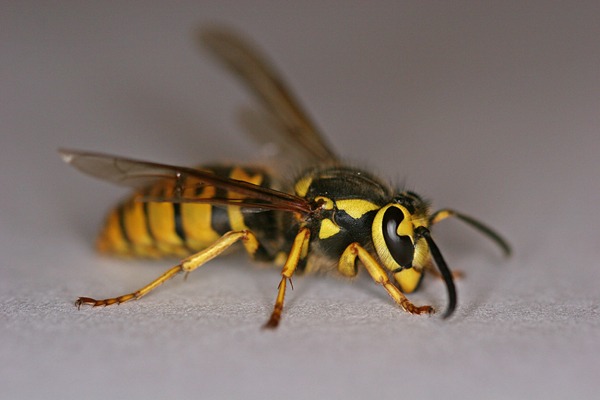
Yellow Jackets: Most aggressive and responsible for the majority of sting reactions in Ohio. Peak activity occurs in late summer when colonies can contain thousands of workers.

Paper Wasps: Less aggressive but will defend nests vigorously. Common around eaves, decks, and outdoor structures throughout Bay Village and Rocky River.

Bald-Faced Hornets: Largest local species, building distinctive gray paper nests. Most active during daylight hours and extremely territorial around nests.

Seasonal Activity Patterns
Spring (March-May): Queen wasps emerge and begin nest building Early Summer (June-July): Colony growth and increased worker activity Late Summer (August-September): Peak aggression and highest sting risk Fall (October-November): Colony decline but desperate foraging behavior
When to Call Professional Help
If you have wasp allergies, attempting to handle wasp problems yourself is extremely dangerous. Professional pest control becomes essential rather than optional when dealing with wasp infestations around your Avon Lake, Bay Village, Rocky River, or Sheffield Lake property.
Signs You Need Immediate Professional Help:
- Multiple wasp nests on your property
- Wasps entering your home or building structures
- High wasp activity around children’s play areas
- Previous severe allergic reactions to wasp stings
- Large nests in difficult-to-reach locations
Resources and Support
For additional information about wasp allergies and treatment options, consider these trusted resources:
- American Academy of Allergy, Asthma & Immunology – Comprehensive information about insect sting allergies and treatment protocols
- Asthma and Allergy Foundation of America – Patient education materials and local support group information
Frequently Asked Questions About Wasp Allergies
Q: Can you develop wasp allergies later in life? A: Yes, wasp allergies can develop at any age, even after previous stings caused only normal reactions. Some people become more sensitive with repeated exposures.
Q: Are wasp allergies hereditary? A: While specific wasp allergies aren’t directly inherited, the tendency to develop allergic reactions can run in families. Children with allergic parents have higher risks.
Q: How long do wasp allergy symptoms last? A: Normal reactions resolve within 2-3 days. Large local reactions may take up to a week. Systemic reactions require immediate medical attention and monitoring.
Q: Can wasp allergies be cured? A: Venom immunotherapy can effectively prevent severe reactions in 95% of patients, but it requires 3-5 years of treatment and ongoing maintenance.
Q: Should I avoid all outdoor activities if I have wasp allergies? A: No, with proper precautions, emergency medications, and professional wasp control around your property, you can safely enjoy outdoor activities.
Q: What’s the difference between wasp and bee allergies? A: While similar, wasp and bee venoms contain different proteins. You can be allergic to one and not the other, though cross-reactivity sometimes occurs.
Q: When is wasp season in Ohio? A: Wasps are most active from late spring through early fall, with peak aggression in August and September when colonies are largest.
Q: How quickly do allergic reactions occur? A: Allergic reactions typically begin within minutes of being stung. Delayed reactions are rare but possible up to several hours later.
Protect Your Family Today
Don’t let wasp allergies prevent you from enjoying your outdoor spaces in Avon Lake, Bay Village, Rocky River, or Sheffield Lake. Professional wasp control and removal services provide the safest, most effective solution for protecting your family from dangerous encounters.
Take Action Now:
If you’ve experienced wasp allergy symptoms or want to prevent wasp problems around your property, contact Pest Asset today. Our experienced technicians understand the unique challenges faced by northeastern Ohio residents and provide comprehensive wasp control solutions tailored to your specific needs.
Call Pest Asset at (440) 899-2847 for immediate assistance with wasp removal and ongoing prevention services. Visit our website at pestasset.com to learn more about our comprehensive pest control solutions and schedule your consultation.
Don’t wait until someone gets stung. Professional wasp control is an investment in your family’s safety and peace of mind. Contact Pest Asset today and reclaim your outdoor spaces safely.

Remember: If you’re experiencing symptoms of a severe allergic reaction, call 911 immediately. This article provides educational information and should not replace professional medical advice.

